



For years, businesses protected their data like a medieval castle: build a thick wall (a…
Read More
Cloud solutions are shaping how UK businesses manage their data, software, and security. Over 88 percent of enterprises now use some form of cloud service, which sounds like everyone is already sorted. Yet a surprising number struggle to choose the right type for their needs. Some cloud options can actually cost more and deliver less flexibility if you pick the wrong one. So knowing the real differences between cloud models is the hidden advantage almost no one talks about.
| Takeaway | Explanation |
|---|---|
| Understand cloud types: SaaS, PaaS, IaaS | Recognize the three models of cloud solutions to align with your business needs effectively. |
| Evaluate performance metrics: uptime, response time | Focus on reliability indicators like uptime guarantees and response speeds when selecting cloud providers. |
| Assess total cost of ownership | Consider not just subscription fees but also implementation, migration, and maintenance costs in financial evaluations. |
| Prioritize security features and compliance | Ensure cloud providers offer robust data protection, access management, and adherence to regulations like GDPR. |
| Investigate customer support quality | Choose cloud solutions based on the availability and expertise of customer support teams for ongoing operational support. |
Cloud solutions represent a critical technological strategy for modern businesses seeking flexible, scalable IT infrastructure. Understanding the different types of cloud solutions is fundamental to making an informed decision about your organisation’s technology approach.
According to the UK Government’s Cloud First policy, cloud computing services are primarily categorised into three distinct models:
Each cloud solution type offers unique advantages tailored to different business requirements. SaaS solutions are ideal for organisations wanting immediate access to software without complex installations. PaaS platforms empower developers to focus on application development rather than infrastructure management. IaaS models provide maximum flexibility for businesses needing complete control over their computing environments.
Choosing the right cloud solution requires carefully assessing your organisation’s specific technological needs, budget constraints, and growth potential. By understanding these cloud deployment models, businesses can explore strategic cloud solutions in Lancashire that align perfectly with their operational objectives and technological infrastructure.
Performance and reliability stand as critical metrics when comparing cloud solutions, directly impacting your business operations and technological effectiveness. Comprehensive evaluation involves assessing multiple technical parameters that determine the overall quality of cloud infrastructure.
According to the UK Government’s guidance on cloud services, businesses should focus on several key performance indicators:
Reliability extends beyond simple technical metrics. Robust cloud solutions require consistent performance, minimal downtime, and rapid recovery capabilities. Businesses must examine providers’ historical performance records, including system availability percentages and incident response times.
Technical considerations include assessing the cloud provider’s infrastructure redundancy, data centre locations, network connectivity, and disaster recovery protocols. These elements determine how quickly your systems can recover from potential disruptions.
Additional performance evaluation criteria include bandwidth capacity, data transfer speeds, computational resources, and security resilience. Organisations need to match these technical specifications with their specific operational requirements.
Explore strategic cloud solutions in Lancashire that provide transparent performance metrics and comprehensive reliability frameworks. By conducting thorough assessments, businesses can select cloud solutions that offer consistent, high-performance technological support aligned with their strategic objectives.
Cloud solution cost assessment requires strategic financial planning and understanding complex pricing models. Transparent pricing structures are fundamental to making informed technological investments that align with your business budget and operational requirements.
According to the UK Government’s guidance on cloud spending management, businesses have three primary purchasing approaches:
Total cost of ownership extends beyond monthly subscription fees. Businesses must consider implementation expenses, potential migration costs, training requirements, and ongoing maintenance investments. Hidden expenses can significantly impact the overall financial commitment.
Comparing cloud solutions involves analyzing several critical financial dimensions. Organisations should evaluate pricing transparency, contract flexibility, scaling costs, data transfer expenses, and potential penalty clauses. Predictable billing helps businesses maintain accurate financial forecasting and prevent unexpected technological expenditures.
Additional cost considerations include assessing potential long-term savings from cloud infrastructure compared to traditional on-premise systems. Cloud solutions often provide more economical alternatives by reducing hardware investments, minimising maintenance expenses, and offering scalable resource allocation.
Explore strategic cloud solutions in Lancashire that provide clear, competitive pricing models tailored to your specific business needs. By conducting comprehensive financial assessments, organisations can select cloud services delivering optimal technological performance and economic value.
Cloud solution security represents a critical consideration for businesses protecting sensitive data and maintaining regulatory compliance. Comprehensive security evaluation goes beyond basic protection mechanisms, requiring a holistic approach to technological risk management.
According to the UK Government’s guidance on cloud security, organisations should focus on several essential security parameters:
Robust security frameworks demand sophisticated protection strategies that address potential vulnerabilities across multiple technological dimensions. Businesses must assess cloud providers’ capabilities in preventing unauthorized access, detecting potential breaches, and responding quickly to security incidents.
Key compliance considerations include alignment with data protection regulations such as GDPR, industry-specific security standards, and legal requirements for information management. Cloud solutions must demonstrate transparent security protocols, regular vulnerability assessments, and comprehensive incident response mechanisms.
Technical security features should encompass multi-factor authentication, end-to-end encryption, secure data centres, network isolation, and continuous monitoring systems. Organisations need to understand the provider’s approach to managing potential cybersecurity threats and maintaining system integrity.
Explore strategic cloud solutions in Lancashire that prioritize advanced security configurations and transparent compliance frameworks. By conducting thorough security assessments, businesses can select cloud services that provide robust protection aligned with their specific operational and regulatory requirements.
Scalability and flexibility represent essential characteristics of modern cloud solutions, enabling businesses to adapt rapidly to changing technological demands. Dynamic resource allocation allows organisations to respond quickly to operational growth or contraction without significant infrastructure investments.
According to the UK Government Digital Service recommendations, businesses should prioritize cloud solutions offering comprehensive scalability features:
Effective cloud solutions provide organisations with the capability to scale resources vertically (increasing power of existing systems) and horizontally (adding more computational nodes). This approach ensures businesses can manage fluctuating workloads efficiently, maintaining performance during peak operational periods.
Flexibility extends beyond computational resources. Modern cloud solutions should support diverse work environments, enabling remote access, seamless collaboration, and integration with existing technological ecosystems. Organisations require cloud platforms that can adapt to evolving business processes, technological innovations, and changing workforce dynamics.
Key scalability considerations include assessing the cloud provider’s infrastructure capabilities, geographical distribution of data centres, network performance, and potential limitations on resource expansion. Businesses must evaluate how quickly and cost-effectively they can adjust their technological infrastructure to meet emerging operational requirements.
Explore strategic cloud solutions in Lancashire that provide robust, adaptable infrastructure designed to support your business’s growth and technological evolution. By selecting scalable cloud services, organisations can maintain technological agility and competitive advantage in a rapidly changing digital landscape.
Customer support represents a critical component of cloud solution selection, directly impacting an organisation’s technological resilience and operational continuity. Comprehensive support frameworks ensure businesses receive timely assistance during technical challenges and strategic transitions.
According to the UK Government’s cloud service guidelines, businesses should evaluate cloud providers based on several critical support dimensions:
Effective customer service extends beyond basic technical troubleshooting. Organisations require cloud providers offering proactive support, including regular system health checks, predictive maintenance, and strategic technological guidance. Businesses should assess the provider’s commitment to ongoing customer success, not just immediate problem resolution.
Support investigation involves examining multiple aspects of service delivery. This includes understanding escalation procedures, evaluating the provider’s track record in resolving complex technical issues, and assessing the availability of dedicated account management. Businesses must confirm that support teams possess deep understanding of their specific industry and technological requirements.
Additional support considerations include availability of comprehensive documentation, online knowledge bases, training resources, and community forums. The quality of supplementary support materials can significantly impact an organisation’s ability to maximise cloud solution capabilities and resolve potential challenges independently.
Explore strategic cloud solutions in Lancashire that prioritize exceptional customer support and demonstrate a commitment to client success. By selecting cloud providers with robust, responsive support frameworks, organisations can ensure technological resilience and continuous operational effectiveness.
Real-world experiences provide invaluable insights when selecting cloud solutions, offering practical perspectives beyond technical specifications. Comprehensive research through reviews and case studies helps businesses understand the actual performance and limitations of cloud services.
According to the UK Government’s case study documentation, organisations should focus on several critical evaluation aspects:
Thorough review analysis involves examining multiple sources, including independent technology publications, industry reports, and vendor-specific case studies. Businesses should look beyond marketing materials to understand genuine technological capabilities and potential limitations.
Case studies provide concrete evidence of a cloud solution’s practical application across different industries and operational contexts. They reveal how specific organisations have addressed technological challenges, scaled their infrastructure, and achieved strategic objectives through cloud implementations.
Key considerations when reviewing case studies include assessing the relevance to your specific industry, understanding the technological context, and identifying potential parallels with your organisation’s unique requirements. Look for detailed narratives that demonstrate measurable business outcomes, technological improvements, and return on investment.
The table below provides a concise summary of the seven key factors for comparing cloud solutions, highlighting core considerations and benefits explained throughout the article.
| Factor | Key Considerations | Benefits for UK Businesses |
|---|---|---|
| Cloud Solution Types | SaaS: ready-to-use apps; PaaS: development platforms; IaaS: virtual infrastructure | Align technology approach to business needs |
| Performance & Reliability | Uptime, response time, scalability, redundancy, disaster recovery | Maintains consistent operations and minimises downtime |
| Cost & Pricing Structures | Pay-as-you-go, excess capacity, up-front payment, total cost of ownership, transparent billing | Informs accurate budgeting and avoids hidden expenses |
| Security & Compliance | Data encryption, access management, compliance certifications (GDPR), incident response | Protects sensitive data and meets legal requirements |
| Scalability & Flexibility | Rapid resource expansion, flexible infrastructure, adaptation to changing workloads | Supports growth and technological agility |
| Support & Customer Service | Responsive support channels, technical expertise, proactive maintenance, account management | Ensures swift issue resolution and operational resilience |
| Reviews & Case Studies | Real-world implementations, performance metrics, industry relevance, challenge resolution | Informs decisions with practical outcomes and experiences |
Explore our comprehensive case studies archive to gain deeper insights into real-world cloud solution implementations. By carefully examining diverse experiences, businesses can make more informed decisions about their cloud technology strategies, minimising risks and maximising technological potential.
Are you struggling with the uncertainty of choosing the right cloud provider? The article “7 Key Factors for Cloud Solutions Comparison” highlights how overwhelming it can be to understand cloud service types, compare costs, and ensure robust security. Many businesses face ongoing challenges with poor reliability, unclear pricing structures, and solutions that cannot scale as they grow. If these pain points sound familiar, you are not alone. Your need for clarity, performance, and flexibility is central to finding the perfect cloud fit for your organisation.
Take the guesswork out of your next move with a trusted local partner. Explore the Cloud Solutions Archives to see how tailored cloud services can solve your unique business challenges.
Ready to streamline your technology and protect your business with expert support from Lancashire specialists? Contact us today through our dedicated page and experience firsthand how J700 Group helps SMEs across the North West save time, secure data, and scale operations with ease. Act now to benefit from our specialist guidance and see why so many businesses choose our cloud solutions expertise to stay ahead of technology headaches.
Cloud solutions can be categorised into three main types: Software-as-a-Service (SaaS), Platform-as-a-Service (PaaS), and Infrastructure-as-a-Service (IaaS). SaaS provides ready-to-use applications, PaaS offers development platforms for creating applications, and IaaS delivers virtualised computing resources like servers and storage.
To evaluate performance and reliability, focus on key metrics such as uptime guarantee, response time, and scalability. Additionally, assess the cloud provider’s historical performance records, including system availability and incident response times. It’s also important to consider technical factors like infrastructure redundancy and disaster recovery protocols.
When assessing costs, examine transparent pricing structures like pay-as-you-go and up-front payments. Consider implementation costs, migration expenses, and ongoing maintenance. Understanding the total cost of ownership and potential long-term savings compared to traditional systems is essential for informed decision-making.
Key security features include data encryption, access management, and compliance certifications. It’s crucial to ensure that the cloud provider has robust security frameworks, regular vulnerability assessments, and effective incident response mechanisms to protect sensitive data and maintain regulatory compliance.
For years, businesses protected their data like a medieval castle: build a thick wall (a…
Read More
For many small and medium-sized businesses, cybersecurity is still viewed as an IT problem. Firewalls,…
Read More
Cloud technology is no longer a luxury or a cost-saving alternative to on-site servers. For…
Read More
Remember when we jokingly wondered if Apple was borrowing our name? Well, the rumours were…
Read More
AI hasn’t just changed the way we work, it has completely rewritten the rulebook for…
Read More
For many businesses, the office phone is like part of the furniture, it’s always there,…
Read More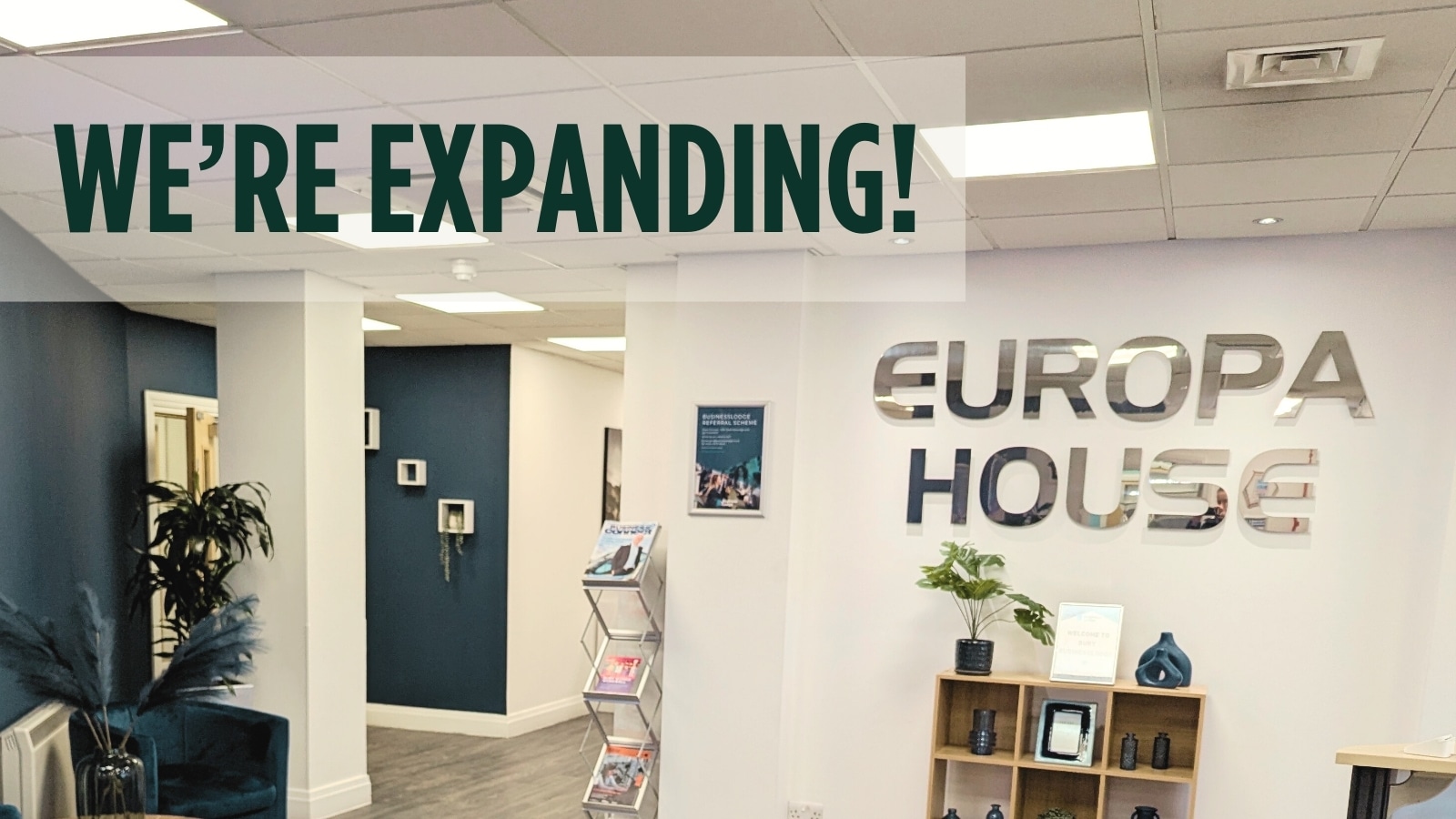
We are thrilled to announce a significant milestone in the J700 Group journey. To keep…
Read More
For years, many small and medium-sized business owners in the North West have operated under…
Read More
In a modern healthcare setting, the stethoscope and the blood pressure cuff aren’t the only…
Read More
When people hear the word cybersecurity, they often imagine complex systems, expensive software and specialist…
Read More
As we count down to midnight, most of us are thinking about gym memberships or…
Read More
It’s Christmas Eve in Lancashire. The Preston bypass is a nightmare, the last-minute dash to…
Read More
For many businesses, the Christmas period means quieter offices, reduced staffing and systems left running…
Read More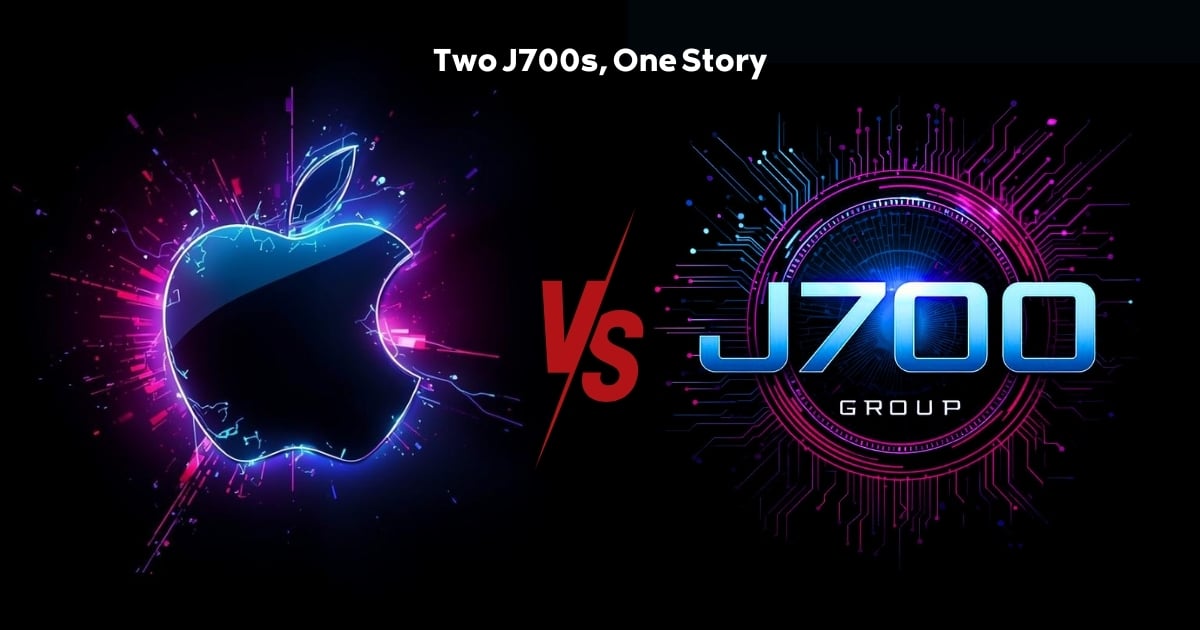
Or: Why we’d like to have a word with Tim Cook this Christmas. There are…
Read More
Hackers Love Christmas: Learn Why your Business Could be at Risk This Holiday SeasonThe festive…
Read More
In recent months, high-profile companies like Land Rover and Co-op have made headlines due to…
Read More
Explore 7 essential tips for effective cloud solutions comparison to find the best fit for…
Read More
Learn how to secure business data for UK SMEs with this step-by-step guide focused on…
Read More
Cybersecurity basics explained for UK businesses—core concepts, major threats, essential safeguards, and compliance requirements. A…
Read More
Discover the essential role of IT support desks, core functions, key benefits, types of support,…
Read More
Discover 10 microsoft 365 alternatives for UK SMEs, comparing features and benefits to help your…
Read More
Discover the best microsoft 365 alternatives in our comparison of 10 top products to enhance…
Read More
Discover a business connectivity checklist with 7 actionable steps to boost IT reliability, security, and…
Read More
Discover 7 essential business continuity planning steps to protect your SME. Learn practical strategies for…
Read More
Small Business Office 365 comprehensive guide for UK SMEs: core features, setup process, security essentials,…
Read More
Small Business Office 365 guide for UK firms. Learn core features, setup, security, costs, and…
Read More
Small business Office 365 guide covering essential features, security, costs, local support, and practical benefits…
Read More
Follow this cybersecurity checklist for SMEs to secure your business in Lancashire and Manchester. Step-by-step…
Read More
Follow this cybersecurity checklist for SMEs to boost protection, reduce risks, and secure business data…
Read More
Cloud security explained: A comprehensive guide for UK businesses covering threat types, protection strategies, compliance,…
Read More
Data protection strategies for UK SMEs—types, key components, GDPR compliance, business risks, and best practices…
Read More
Why cybersecurity matters for UK businesses: core concepts, main risks, common threats, legal requirements, and…
Read More
Comprehensive guide to IT issues Lancashire businesses face, including security threats, system downtime, cloud solutions,…
Read More
Comprehensive guide on cyber security threats in the UK. Learn common types, key characteristics, real-world…
Read More
Follow this IT security checklist for a step-by-step process to secure your business effectively in…
Read More
Explore the benefits of managed IT services for businesses in Manchester and Lancashire, enhancing efficiency…
Read More
Explore the role of cybersecurity in business. Understand its importance, how it works, and key…
Read More
Discover 7 key advantages of Microsoft 365 for SMEs that can enhance productivity, collaboration, and…
Read More
Explore why use managed IT services and how they benefit businesses. Gain comprehensive insights on…
Read More
Comprehensive guide explaining cyber threats, focusing on their importance, how they work, and the key…
Read More