


A practical guide for SMEs across Lancashire and the North West If you’ve been hearing…
Read More
In recent months, high-profile companies like Land Rover and Co-op have made headlines due to cyber attacks. Cyber security has become crucial for all businesses, small and large. But while these incidents dominate the news, small and medium-sized businesses (SMEs) are under threat too, often quietly and without media attention. In fact, over half of UK small businesses reported experiencing a cyber attack in the past year, according to the latest UK Government Cyber Security Breaches Survey. For SMEs in Lancashire and Greater Manchester, understanding these threats is critical. As 2026 approaches, cyber security measures are becoming more essential than ever. Cybercriminals are becoming more sophisticated, using new tools and tactics that make businesses of all sizes vulnerable. Here’s what SMEs should know and how they can stay protected.
Cyber attackers are increasingly using AI to create convincing emails, messages and even voice or video calls that impersonate trusted contacts. This isn’t just a threat to large corporations, SMEs with smaller security teams and fewer protections can be even easier targets in the realm of cyber security.
Action: Train employees to recognise suspicious communications, use multifactor authentication and report unusual requests immediately.
Ransomware remains a top concern. Cybercriminals now commonly use “double extortion,” encrypting your data and threatening to publish it if ransom demands aren’t met. Even a small disruption can cost thousands of pounds, the average cyber attack on a UK SME can exceed £25,000.
Action: Maintain secure, offline backups and develop a clear response plan for ransomware attacks.
With hybrid and remote working becoming the norm, mobile devices and unsecured networks are increasingly targeted. Public Wi-Fi, personal devices and poor password habits can expose businesses to data breaches in the field of cyber security.
Action: Implement secure mobile policies, enforce VPN use and educate staff on mobile security best practices.
Attackers often target SMEs indirectly by exploiting weaknesses in suppliers or partners. A breach in a third-party system can compromise your business even if your own systems are secure, demonstrating the importance of robust cyber security protocols.
Action: Conduct risk assessments for all critical suppliers and ensure partners meet minimum cybersecurity standards.
AI isn’t just used by attackers, it’s also powering advanced threat detection. However, SMEs that don’t adopt AI-informed defence measures risk falling behind sophisticated cybercriminals.
Action: Consider adopting cloud security tools and monitoring systems that use AI to detect anomalies or unusual activity and bolster your cyber security posture.
Cybersecurity is no longer optional, it’s a critical component of business continuity. While big names like Land Rover and Co-op make the headlines, SMEs are just as likely to be targeted, often silently.
By investing in staff training, robust backups, AI-informed security, supplier risk management, and appropriate insurance, SMEs in Lancashire and Manchester can protect themselves against 2026’s evolving threats.
Remember: in the world of cybercrime, prevention is far cheaper and less disruptive than recovery.
About J700 Group
Based in Lancashire, J700 Group provides tailored IT support, cybersecurity solutions, and data protection services for SMEs across the region. We help businesses strengthen their digital resilience, safeguard sensitive data, and stay ahead of evolving cyber threats.

A practical guide for SMEs across Lancashire and the North West If you’ve been hearing…
Read More
Running a business in Lancashire is hard enough without your IT company adding to your…
Read More
Most businesses don’t lose data because of a dramatic cyberattack. They lose it, or expose…
Read More
For manufacturers, downtime isn’t just frustrating, it’s expensive. When production stops, everything slows down. Orders…
Read More
Artificial Intelligence is no longer something businesses are experimenting with. In 2026, it’s becoming part…
Read More
An email landed in my inbox this week from “Jonathan Cundliffe” — our Managing Director.…
Read More
For years, businesses protected their data like a medieval castle: build a thick wall (a…
Read More
For many small and medium-sized businesses, cybersecurity is still viewed as an IT problem. Firewalls,…
Read More
Cloud technology is no longer a luxury or a cost-saving alternative to on-site servers. For…
Read More
Remember when we jokingly wondered if Apple was borrowing our name? Well, the rumours were…
Read More
AI hasn’t just changed the way we work, it has completely rewritten the rulebook for…
Read More
For many businesses, the office phone is like part of the furniture, it’s always there,…
Read More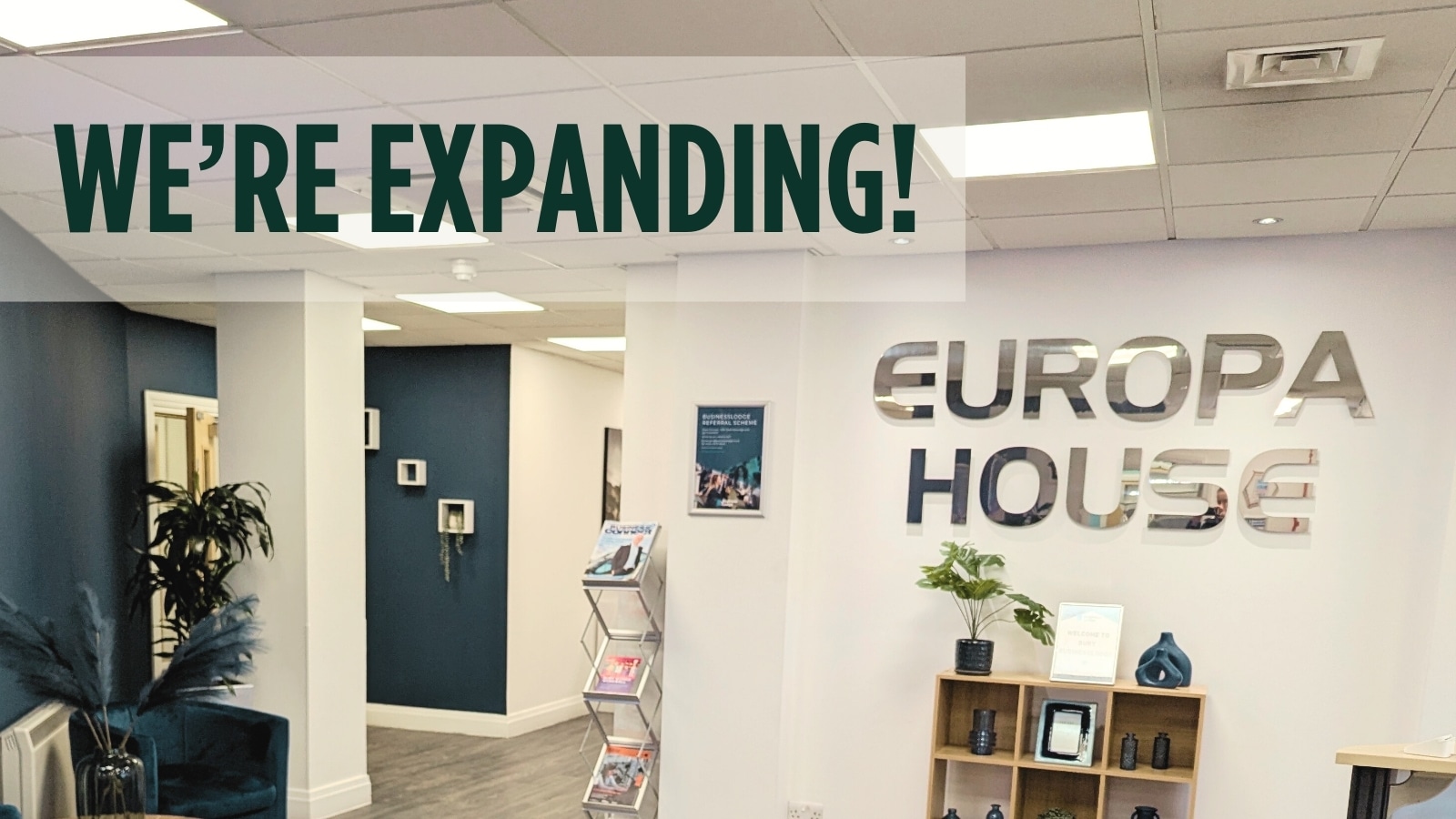
We are thrilled to announce a significant milestone in the J700 Group journey. To keep…
Read More
For years, many small and medium-sized business owners in the North West have operated under…
Read More
In a modern healthcare setting, the stethoscope and the blood pressure cuff aren’t the only…
Read More
When people hear the word cybersecurity, they often imagine complex systems, expensive software and specialist…
Read More
As we count down to midnight, most of us are thinking about gym memberships or…
Read More
It’s Christmas Eve in Lancashire. The Preston bypass is a nightmare, the last-minute dash to…
Read More
For many businesses, the Christmas period means quieter offices, reduced staffing and systems left running…
Read More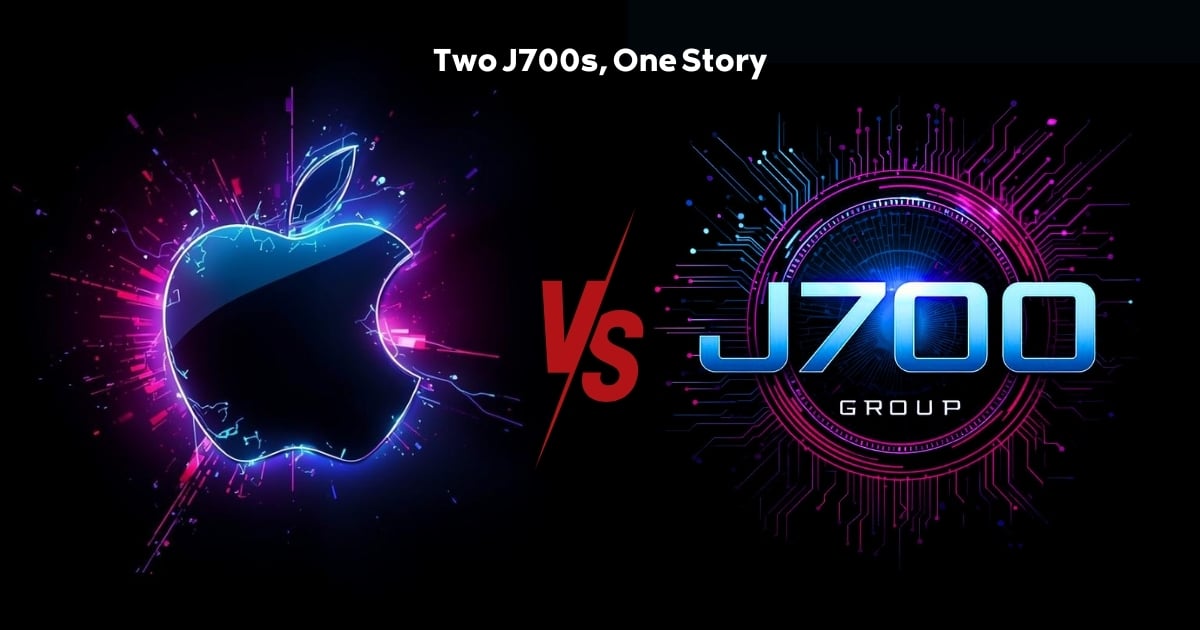
Or: Why we’d like to have a word with Tim Cook this Christmas. There are…
Read More
Hackers Love Christmas: Learn Why your Business Could be at Risk This Holiday SeasonThe festive…
Read More
In recent months, high-profile companies like Land Rover and Co-op have made headlines due to…
Read More
Explore 7 essential tips for effective cloud solutions comparison to find the best fit for…
Read More
Learn how to secure business data for UK SMEs with this step-by-step guide focused on…
Read More
Cybersecurity basics explained for UK businesses—core concepts, major threats, essential safeguards, and compliance requirements. A…
Read More
Discover the essential role of IT support desks, core functions, key benefits, types of support,…
Read More
Discover 10 microsoft 365 alternatives for UK SMEs, comparing features and benefits to help your…
Read More
Discover the best microsoft 365 alternatives in our comparison of 10 top products to enhance…
Read More
Discover a business connectivity checklist with 7 actionable steps to boost IT reliability, security, and…
Read More
Discover 7 essential business continuity planning steps to protect your SME. Learn practical strategies for…
Read More
Small Business Office 365 comprehensive guide for UK SMEs: core features, setup process, security essentials,…
Read More
Small Business Office 365 guide for UK firms. Learn core features, setup, security, costs, and…
Read More
Small business Office 365 guide covering essential features, security, costs, local support, and practical benefits…
Read More
Follow this cybersecurity checklist for SMEs to secure your business in Lancashire and Manchester. Step-by-step…
Read More
Follow this cybersecurity checklist for SMEs to boost protection, reduce risks, and secure business data…
Read More
Cloud security explained: A comprehensive guide for UK businesses covering threat types, protection strategies, compliance,…
Read More
Data protection strategies for UK SMEs—types, key components, GDPR compliance, business risks, and best practices…
Read More
Why cybersecurity matters for UK businesses: core concepts, main risks, common threats, legal requirements, and…
Read More
Comprehensive guide to IT issues Lancashire businesses face, including security threats, system downtime, cloud solutions,…
Read More
Comprehensive guide on cyber security threats in the UK. Learn common types, key characteristics, real-world…
Read More