


For years, businesses protected their data like a medieval castle: build a thick wall (a…
Read More
Did you know that 84 percent of UK businesses have been hit by phishing attacks in the past year? Cybercrime is not just a problem for the largest companies—it affects small and medium enterprises across Lancashire and Manchester every day. Overlooking cybersecurity leaves business finances, reputations, and day-to-day operations at serious risk. Understanding the real threats and common misconceptions will help you protect what matters most and prevent devastating setbacks.
| Point | Details |
|---|---|
| Importance of Cybersecurity for All Businesses | Cybersecurity is essential for businesses of all sizes, particularly SMEs, as they are frequently targeted due to inadequate protections. |
| Prevalence of Cyber Threats | UK SMEs face significant threats including phishing, ransomware, and AI-driven attacks, all of which can cause severe financial harm. |
| Legal Obligations | Compliance with UK cybersecurity laws, such as the Computer Misuse Act 1990 and GDPR, is critical for protecting businesses and ensuring accountability. |
| Consequences of Inadequate Protection | Lack of proper cybersecurity measures can lead to devastating financial losses and reputational damage, emphasizing the need for proactive strategies. |
Cybersecurity isn’t just a buzzword for big corporations—it’s a critical shield for every Lancashire and Manchester business, no matter its size. Cybersecurity represents the comprehensive strategy and tools designed to protect digital systems, networks, and data from malicious attacks, unauthorized access, and potential breaches.
Contrary to popular belief, small and medium enterprises (SMEs) are not too insignificant to be targeted. According to a systematic review from academic research, SMEs frequently suffer from three fundamental misconceptions:
Research from the Association of British Insurers highlights a critical insight: many SMEs in Lancashire and the North West dramatically underestimate their cyber risk. Small businesses are actually prime targets because they often have less robust security infrastructure, making them attractive to opportunistic cybercriminals. The truth is stark—no business is too small to be attacked. Whether you’re a tech startup in Preston or a family business in Burnley, your digital assets are valuable and potentially vulnerable.
The key is understanding that cybersecurity isn’t about perfection, but about implementing strategic, proportionate protection that matches your specific business needs and risk profile.

Start by recognising that cyber threats are universal, and proactive defence is always more cost-effective than reactive recovery.
Businesses across Lancashire and Manchester face an increasingly sophisticated landscape of cybersecurity threats that can strike with devastating precision. According to recent research, the cybersecurity battlefield is evolving rapidly, with criminals leveraging advanced technologies to exploit vulnerabilities in SME digital infrastructure.
The most prevalent threats targeting UK businesses include:
Here’s a comparative summary of main cybersecurity threats facing UK SMEs:
| Threat Type | Prevalence | Typical Impact |
|---|---|---|
| Phishing Attacks | Affects 84% of businesses | Data compromise Financial loss |
| Ransomware | 70% surge in incidents | System lockdown High ransom demands |
| Business Email Compromise | Rising across the UK | Fraudulent payments Data theft |
| AI-Driven Cyber Attacks | Increasing sophistication | Bypasses traditional defences |
| Supply Chain Vulnerabilities | Heightened exploitation | Multi-organisation breaches |
For businesses in Preston, Burnley, and across the North West, these aren’t just abstract risks.
Explore the 10 biggest cybersecurity mistakes small businesses make to understand how quickly these threats can transform from potential risks to real financial nightmares. The average cost of a cyber incident can be financially crippling, especially for SMEs with limited resources.
The key takeaway is simple: no business is too small to be targeted. Cybercriminals see SMEs as soft targets with potentially valuable data and often inadequate protection. Proactive, comprehensive cybersecurity isn’t just recommended—it’s an absolute necessity for survival in today’s digital business environment.
Implementing a comprehensive cybersecurity strategy is more than just a defensive measure—it’s a strategic investment that protects and propels your business forward. For SMEs across Lancashire and Manchester, robust cybersecurity offers far-reaching advantages that extend well beyond simple protection.
According to research from the Association of British Insurers, businesses that proactively engage with cybersecurity gain multiple strategic benefits:
Moreover, implementing foundational security measures can dramatically transform your business’s digital ecosystem. Learn how to organise your cybersecurity strategy effectively to create a comprehensive approach. Research indicates that basic measures like staff training, multi-factor authentication, secure backups, and obtaining Cyber Essentials certification can significantly reduce operational risks.
Beyond technical protection, a robust cybersecurity strategy communicates professionalism and trustworthiness. In an era where data breaches can destroy reputations overnight, demonstrating a commitment to digital security becomes a powerful differentiator for businesses in Preston, Burnley, and across the North West. It’s not just about preventing attacks—it’s about building a resilient, forward-thinking business that customers and partners can trust.
Navigating the legal landscape of cybersecurity is crucial for businesses across Lancashire and Manchester. The UK has established a comprehensive framework to protect digital assets and hold organisations accountable for maintaining robust security practices.
At the foundation of UK cybersecurity legislation sits the Computer Misuse Act 1990, which establishes critical criminal offences for unauthorized computer access or modification. This landmark legislation provides a legal backbone for cybersecurity obligations, making it clear that digital intrusions are serious criminal matters. Complementing this, the UK government has developed several strategic initiatives to support SMEs:
Cyber attacks can devastate businesses without proper legal understanding, making it essential to stay informed about regulatory requirements. Research evaluating UK government cybersecurity initiatives highlights that while schemes like Cyber Essentials aim to raise awareness and promote baseline protection, the actual uptake and impact among SMEs continue to vary.
For businesses in Preston, Burnley, and across the North West, understanding these legal requirements isn’t just about compliance—it’s about creating a proactive security culture that protects your organisation, your customers, and your reputation. The legal landscape is clear: cybersecurity is no longer optional, but a fundamental business responsibility.
For SMEs across Lancashire and Manchester, cybersecurity negligence can transform from a minor oversight to a potentially catastrophic business disaster. The financial implications of inadequate digital protection are far more severe than most business owners realise.
According to comprehensive research, the financial impact of cyber incidents varies dramatically across business sizes:
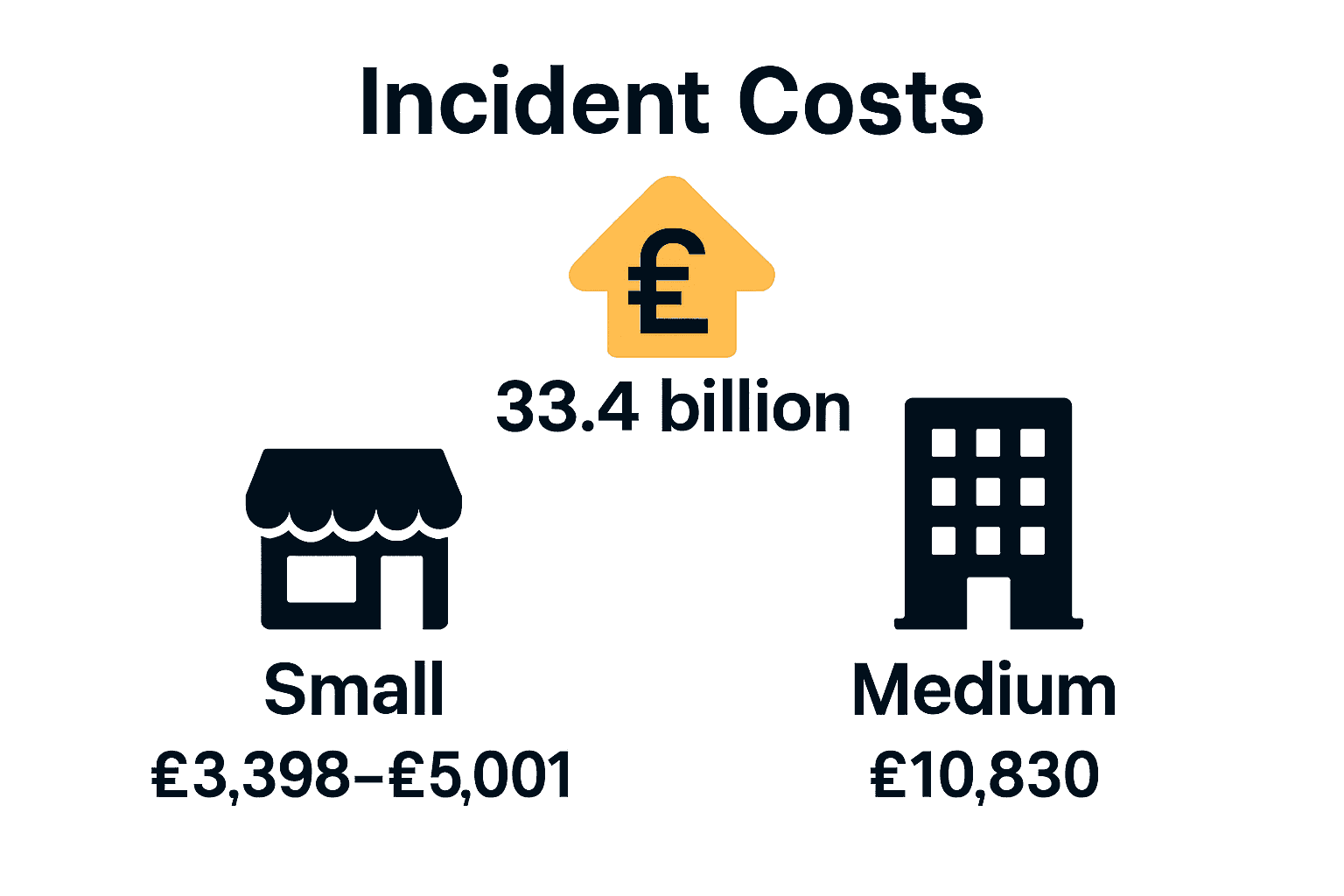
Explore how cyber attacks can devastate unprepared businesses, highlighting the real-world consequences beyond mere numbers. Research from the Association of British Insurers reveals that most SMEs have experienced breaches costing between £50,000 and £250,000—a potentially terminal blow for many small enterprises operating on tight margins.
Beyond immediate financial losses, inadequate cybersecurity can trigger cascading consequences: reputational damage, loss of customer trust, potential legal penalties, and in extreme cases, complete business failure. For businesses in Preston, Burnley, and across the North West, these aren’t hypothetical risks—they’re very real threats that can emerge suddenly and destroy years of hard work in moments. The message is clear: investing in robust cybersecurity isn’t an expense, it’s an essential business survival strategy.
Are you worried that your small or medium business in Lancashire or Manchester could fall victim to a cyber attack? As detailed in our guide, underestimating cyber threats is one of the most common and costly mistakes local SMEs make. Without proactive protection, risks such as phishing, ransomware, or supply chain vulnerabilities can expose your business to serious financial and reputational harm. Explore more insights on digital defence in our Cyber Security Archives.

Take control of your digital security now. The dedicated team at J700 Group delivers professional IT support and advanced cybersecurity tailored for local businesses like yours. Our specialists will assess your defences, help you implement smart strategies, and support you every step of the way so you stay ahead of evolving threats. Do not wait for a costly incident before acting. Secure your future today by contacting us at J700 Group’s Contact Page.
Cybersecurity refers to the strategies and tools designed to protect digital systems, networks, and data from malicious attacks. It’s essential for SMEs as they are often seen as softer targets, making them vulnerable to cybercriminal activities that can lead to financial loss and reputational damage.
SMEs commonly face threats including phishing attacks, ransomware, business email compromise, AI-driven cyber attacks, and supply chain vulnerabilities. These threats can result in data breaches, financial losses, and significant operational disruptions.
SMEs can protect themselves by implementing a comprehensive cybersecurity strategy that includes basic measures such as staff training, multi-factor authentication, regular backups, and obtaining Cyber Essentials certification, which helps establish baseline security standards.
UK businesses are required to comply with several legal frameworks, including the Computer Misuse Act 1990, the Data Protection Act 2018, and GDPR. These regulations mandate proper handling, protection of personal data, and maintaining robust cybersecurity practices to prevent unauthorised access and data breaches.
For years, businesses protected their data like a medieval castle: build a thick wall (a…
Read More
For many small and medium-sized businesses, cybersecurity is still viewed as an IT problem. Firewalls,…
Read More
Cloud technology is no longer a luxury or a cost-saving alternative to on-site servers. For…
Read More
Remember when we jokingly wondered if Apple was borrowing our name? Well, the rumours were…
Read More
AI hasn’t just changed the way we work, it has completely rewritten the rulebook for…
Read More
For many businesses, the office phone is like part of the furniture, it’s always there,…
Read More
We are thrilled to announce a significant milestone in the J700 Group journey. To keep…
Read More
For years, many small and medium-sized business owners in the North West have operated under…
Read More
In a modern healthcare setting, the stethoscope and the blood pressure cuff aren’t the only…
Read More
When people hear the word cybersecurity, they often imagine complex systems, expensive software and specialist…
Read More
As we count down to midnight, most of us are thinking about gym memberships or…
Read More
It’s Christmas Eve in Lancashire. The Preston bypass is a nightmare, the last-minute dash to…
Read More
For many businesses, the Christmas period means quieter offices, reduced staffing and systems left running…
Read More
Or: Why we’d like to have a word with Tim Cook this Christmas. There are…
Read More
Hackers Love Christmas: Learn Why your Business Could be at Risk This Holiday SeasonThe festive…
Read More
In recent months, high-profile companies like Land Rover and Co-op have made headlines due to…
Read More
Explore 7 essential tips for effective cloud solutions comparison to find the best fit for…
Read More
Learn how to secure business data for UK SMEs with this step-by-step guide focused on…
Read More
Cybersecurity basics explained for UK businesses—core concepts, major threats, essential safeguards, and compliance requirements. A…
Read More
Discover the essential role of IT support desks, core functions, key benefits, types of support,…
Read More
Discover 10 microsoft 365 alternatives for UK SMEs, comparing features and benefits to help your…
Read More
Discover the best microsoft 365 alternatives in our comparison of 10 top products to enhance…
Read More
Discover a business connectivity checklist with 7 actionable steps to boost IT reliability, security, and…
Read More
Discover 7 essential business continuity planning steps to protect your SME. Learn practical strategies for…
Read More
Small Business Office 365 comprehensive guide for UK SMEs: core features, setup process, security essentials,…
Read More
Small Business Office 365 guide for UK firms. Learn core features, setup, security, costs, and…
Read More
Small business Office 365 guide covering essential features, security, costs, local support, and practical benefits…
Read More
Follow this cybersecurity checklist for SMEs to secure your business in Lancashire and Manchester. Step-by-step…
Read More
Follow this cybersecurity checklist for SMEs to boost protection, reduce risks, and secure business data…
Read More
Cloud security explained: A comprehensive guide for UK businesses covering threat types, protection strategies, compliance,…
Read More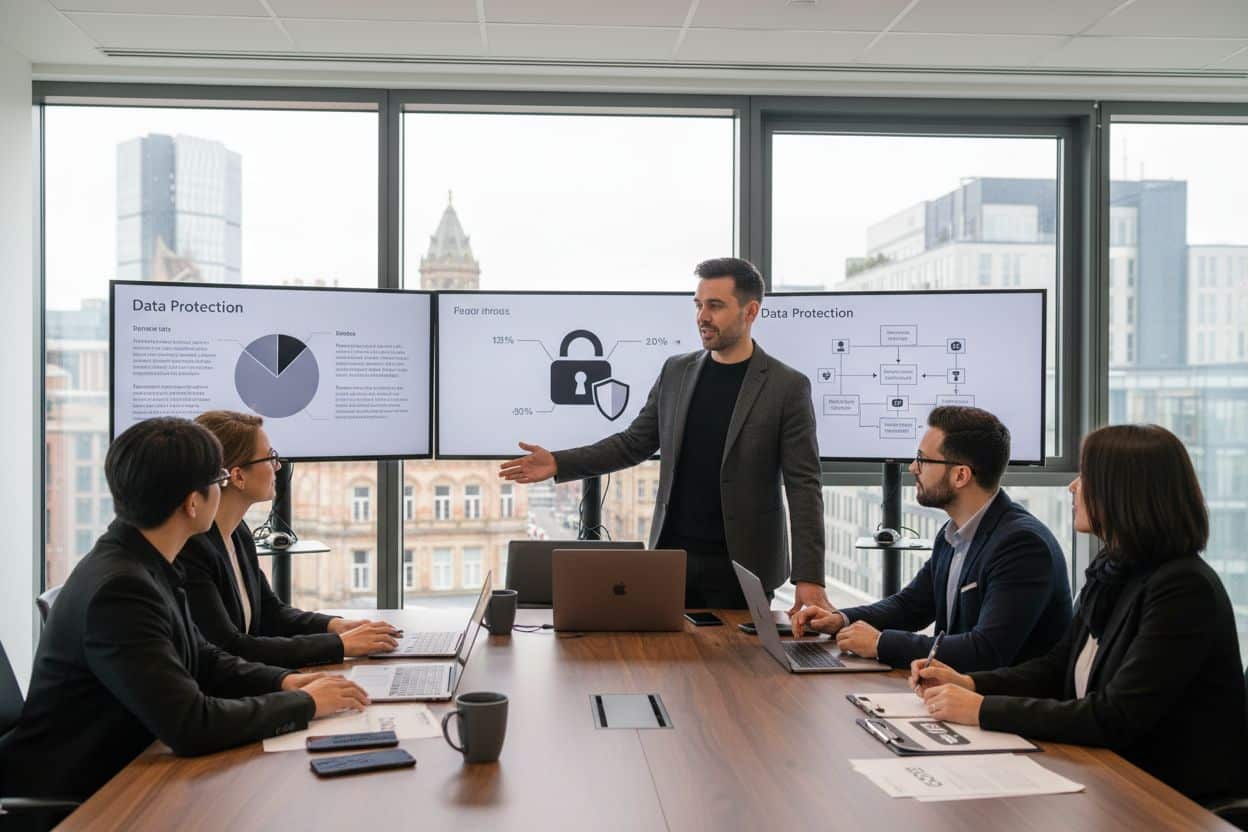
Data protection strategies for UK SMEs—types, key components, GDPR compliance, business risks, and best practices…
Read More
Why cybersecurity matters for UK businesses: core concepts, main risks, common threats, legal requirements, and…
Read More
Comprehensive guide to IT issues Lancashire businesses face, including security threats, system downtime, cloud solutions,…
Read More
Comprehensive guide on cyber security threats in the UK. Learn common types, key characteristics, real-world…
Read More
Follow this IT security checklist for a step-by-step process to secure your business effectively in…
Read More
Explore the benefits of managed IT services for businesses in Manchester and Lancashire, enhancing efficiency…
Read More
Explore the role of cybersecurity in business. Understand its importance, how it works, and key…
Read More
Discover 7 key advantages of Microsoft 365 for SMEs that can enhance productivity, collaboration, and…
Read More
Explore why use managed IT services and how they benefit businesses. Gain comprehensive insights on…
Read More
Comprehensive guide explaining cyber threats, focusing on their importance, how they work, and the key…
Read More