



For years, businesses protected their data like a medieval castle: build a thick wall (a…
Read More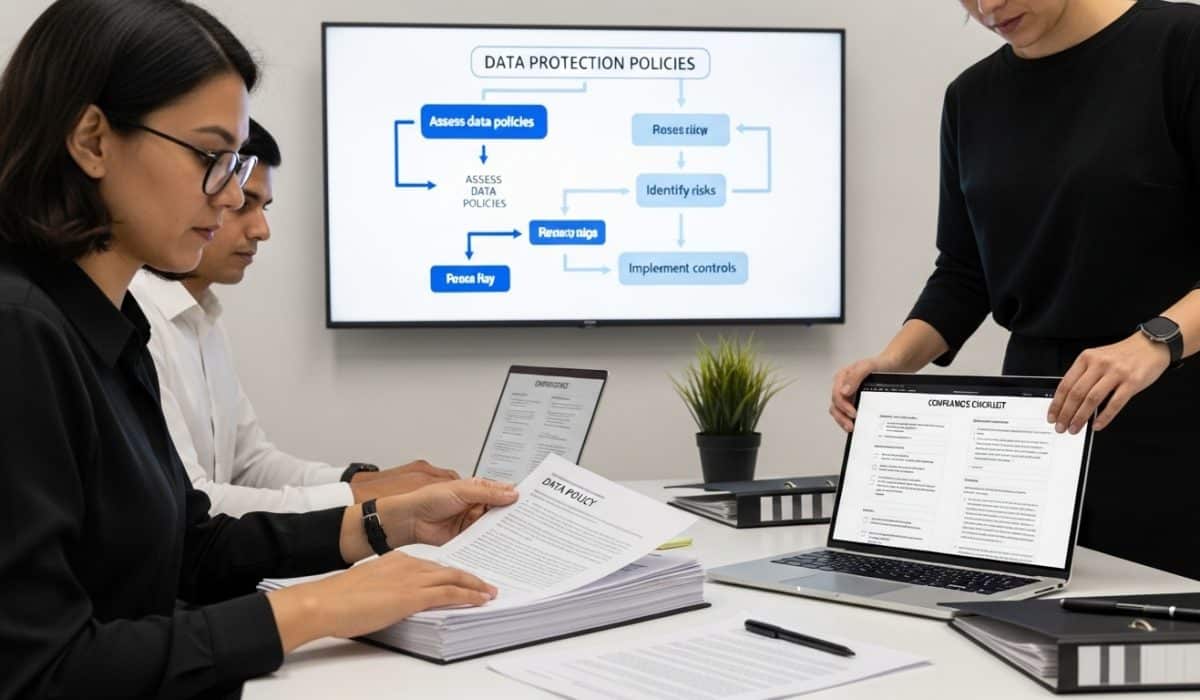
Protecting client data is now a top priority for every business, as even one breach can cost companies an average of £3.4 million per incident. You might think firewalls and antivirus software are enough to keep information safe. But most data breaches actually start with gaps hiding deep inside your own policies and everyday practices. What comes next reveals the critical steps that many organisations overlook when building a truly secure defence.
| Key Point | Explanation |
|---|---|
| 1. Assess current data protection policies | Evaluate existing frameworks to identify vulnerabilities and improve security measures. |
| 2. Identify system vulnerabilities thoroughly | Conduct technology audits to find weaknesses in software and user access controls. |
| 3. Implement robust security protocols | Use encryption and multi-factor authentication to protect sensitive data from breaches. |
| 4. Train staff continuously on data protection | Create an ongoing training programme to enhance employee awareness of security practices. |
| 5. Regularly review and update strategies | Establish a systematic approach for quarterly assessments to adapt to evolving cybersecurity threats. |
Safeguarding client data begins with a comprehensive evaluation of your existing data protection framework. This critical first step helps businesses identify potential vulnerabilities and establish a robust defence mechanism against potential security breaches.
Starting your assessment requires a methodical approach that examines every aspect of your current data handling practices. Begin by gathering all existing documentation related to data protection, including company policies, employee handbooks, and previous security audits. Review these materials critically, looking for gaps in coverage or outdated procedures that might leave your organisation exposed.
A detailed policy review involves more than simply reading documents. You will need to analyse how your current policies translate into real-world practices. Examine how client data moves through your organisation, tracking its journey from initial collection to storage and potential deletion. Pay special attention to points of potential vulnerability, such as data transfer processes, external sharing protocols, and employee access permissions.
According to the National Cyber Security Centre, organisations should develop a comprehensive understanding of their data ecosystem. This means mapping out exactly where sensitive information resides, who has access to it, and under what circumstances.
During your assessment, create a comprehensive inventory of data types your business handles. Categorise information based on sensitivity levels and current protection mechanisms. This might include:
Once you have mapped your data landscape, evaluate each category against current protection standards. Look for potential weaknesses in encryption, access controls, and data retention policies. Your goal is to create a holistic view of your current data protection posture, identifying areas that require immediate attention or significant improvement.
Successful completion of this step means having a clear, documented understanding of your current data protection capabilities. You should be able to articulate precisely how client data is managed, protected, and secured within your organisation. This foundational assessment will directly inform subsequent steps in developing a robust data protection strategy.
The following table summarises key areas to check when conducting a thorough data protection policy review, aiding in ensuring a comprehensive assessment process:
| Area to Review | What to Examine | Why It Matters |
|---|---|---|
| Data Documentation | Policies, handbooks, audit records | Identifies policy gaps and outdated procedures |
| Data Flow Mapping | How client data moves within the organisation | Pinpoints potential exposure points throughout data lifecycle |
| Access Permissions | Which staff have access to which data | Minimises risk of unauthorised access |
| Data Categorisation | Types of data handled, sensitivity levels | Tailors protection to level of risk |
| Retention Policies | How and when data is deleted or archived | Prevents unnecessary storage of sensitive data |
| Encryption Standards | Current protocols in use | Ensures data is protected at all stages |
| Past Incidents | Record of previous breaches or near-misses | Provides insight for targeted improvement |
After assessing your current data protection policies, the next crucial step involves proactively identifying potential weaknesses in your technological infrastructure. This process requires a systematic and thorough examination of every digital touchpoint within your organisation where client data could be exposed or compromised.
Begin by conducting a comprehensive technology audit that goes beyond surface-level observations. Examine each software application, network connection, and digital system your business relies on. Pay close attention to legacy systems and older software versions, which often represent the most significant security risks. Outdated technologies frequently contain unpatched vulnerabilities that cybercriminals can exploit with relative ease.
Utilising professional scanning tools becomes essential in this vulnerability identification process. Professional network scanning software can reveal hidden weaknesses in your digital infrastructure that manual reviews might miss. These tools systematically probe your networks, identifying potential entry points, unprotected ports, and configuration errors that could compromise client data.
According to the National Cyber Security Centre, businesses should focus on several critical vulnerability areas:
Your vulnerability assessment should include a detailed review of user access permissions across all systems. Examine which employees have access to sensitive information and whether their current permission levels align with their actual job requirements. Implementing strict access control measures helps minimise potential internal security risks.
Consider engaging an external cybersecurity professional to conduct an independent vulnerability assessment. These experts can provide an objective evaluation of your systems, identifying blind spots that internal teams might overlook. Their specialised tools and expertise can uncover subtle vulnerabilities that automated scans might miss.
This table presents the main types of vulnerabilities to check during a system audit and suggests related focus areas, supporting a structured vulnerability assessment:
| Vulnerability Type | What to Check | Common Risk |
|---|---|---|
| Unpatched Software | Are all updates installed? | Susceptibility to known exploits |
| Authentication Weakness | Single-factor login mechanisms | Easy for attackers to breach accounts |
| Network Configuration | Open/unnecessary ports, firewall settings | Unauthorised entry points into network |
| Access Permissions | Staff access relative to roles | Risk of internal data leaks |
| Legacy Systems | Outdated hardware/software in use | Unaddressed, longstanding vulnerabilities |
| Security Protocols | SSL/TLS status, encryption in use | Data interception or weak protection |
Successful completion of this step means generating a comprehensive vulnerability report that details every potential weakness discovered during your assessment. This document will serve as a critical roadmap for subsequent security improvements, guiding your organisation toward a more robust and resilient data protection strategy.
Transitioning from vulnerability identification to active protection requires a strategic and comprehensive approach to implementing security measures. This critical step transforms your understanding of potential risks into concrete actions that shield your client data from potential breaches.
Encryption becomes your first line of defence. Implement end-to-end encryption for all sensitive data transmissions, ensuring that information remains unreadable to unauthorized parties even if intercepted. This means protecting data both during transit and when stored on company systems, creating multiple layers of protection that make unauthorized access exponentially more difficult.
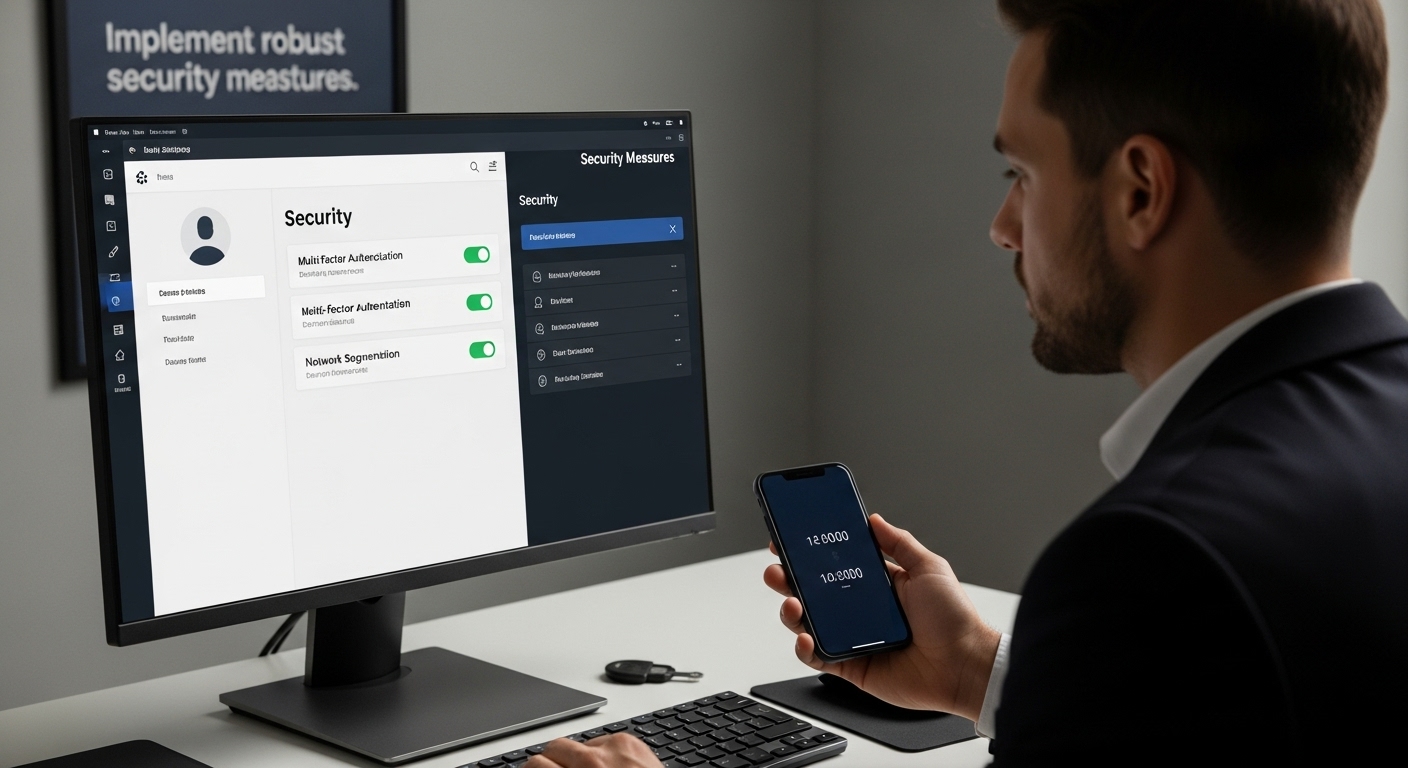
Authentication mechanisms represent another crucial aspect of your security strategy. Move beyond traditional password systems by implementing multi-factor authentication across all business platforms. This approach requires users to provide multiple verification methods, such as a password combined with a temporary code sent to a mobile device or biometric verification.
According to Get Safe Online, businesses should develop clear, comprehensive security protocols that address every potential interaction with sensitive data. This includes creating detailed guidelines for:
Network segmentation provides another critical security strategy. Divide your digital infrastructure into distinct zones, limiting potential breach impacts. By creating isolated network segments, you ensure that a compromise in one area does not automatically expose your entire system. Implement strict access controls that prevent unnecessary lateral movement within your network infrastructure.
Consider investing in advanced threat detection systems that use artificial intelligence and machine learning to identify unusual access patterns or potential security breaches in real time. These intelligent systems can automatically flag suspicious activities, allowing your team to respond quickly to potential threats before significant damage occurs.
Your security implementation should also include rigorous access management practices. Regularly audit and update user permissions, ensuring employees only have access to the specific systems and data required for their roles.
 This principle of least privilege minimises potential internal security risks and reduces the potential attack surface.
Successful implementation means creating a dynamic, adaptable security framework that can evolve with emerging technological threats. Your protocols should not be static documents but living strategies that are continuously reviewed, updated, and refined based on ongoing risk assessments and emerging cybersecurity trends.
Even the most sophisticated technical security measures can be undermined by human error. Staff training represents a critical component of your data protection strategy, transforming your employees from potential security vulnerabilities into active defenders of client information.
Begin by recognising that data protection training is not a one-time event but an ongoing process of education and awareness. Develop a comprehensive training programme that goes beyond simple compliance checklists, focusing instead on creating a genuine culture of security consciousness within your organisation.
Effective training requires more than dry presentations and technical jargon. Design interactive workshops that simulate real-world scenarios, helping employees understand the practical implications of data protection breaches. Use case studies, role-playing exercises, and practical demonstrations that make cybersecurity concepts tangible and relevant to their daily work experiences.
According to National Cyber Security Centre, staff training should cover several critical areas:
Tailor your training to different roles within the organisation. A marketing team member will have different data protection responsibilities compared to an IT specialist or customer service representative. Customised training modules ensure that each employee understands the specific security protocols relevant to their position.
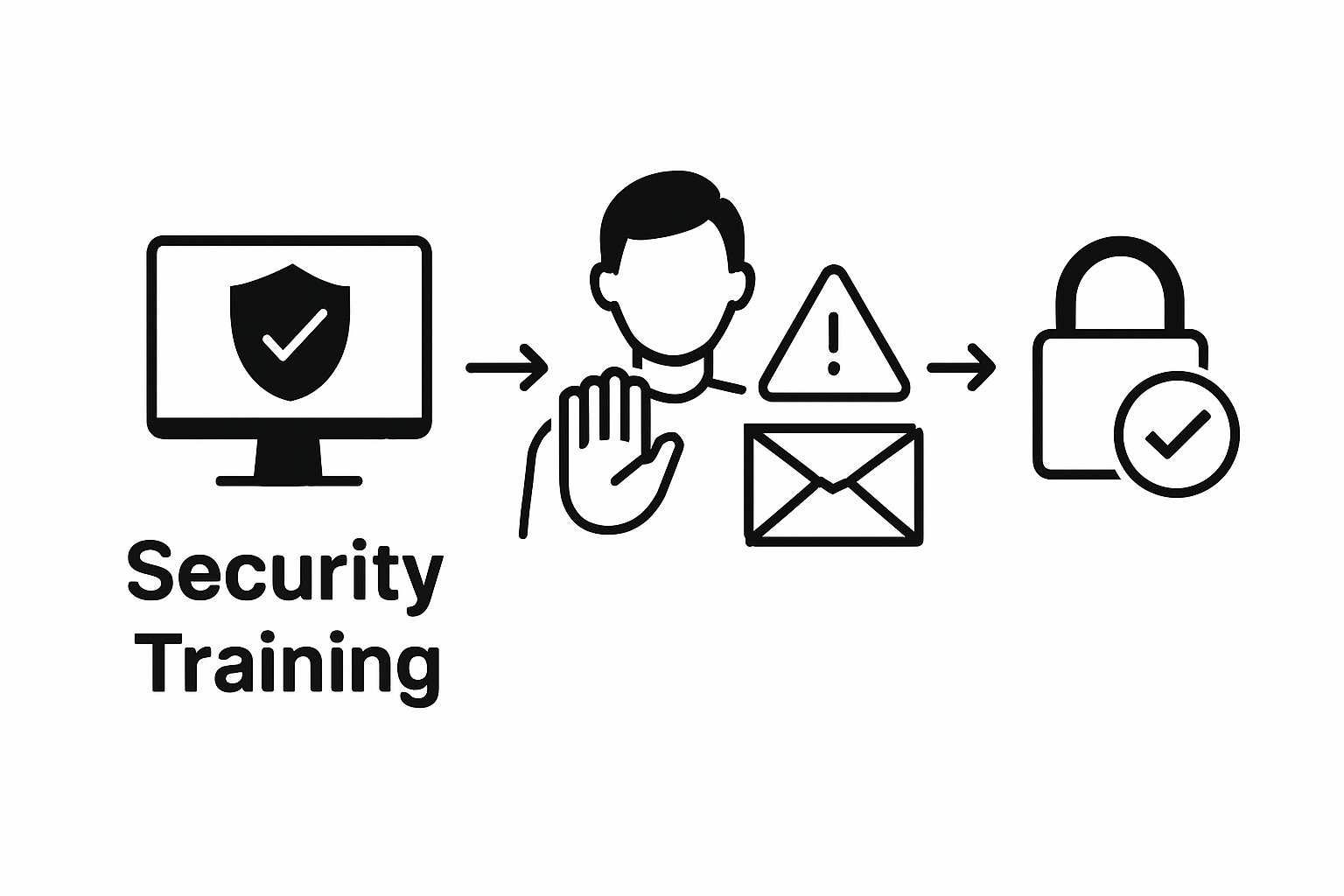
Regular refresher courses and surprise security assessments help maintain engagement and reinforce learning. Consider implementing periodic simulated phishing tests that provide immediate feedback and additional training for individuals who might click suspicious links or share sensitive information inappropriately.
Technology can support your training efforts. Invest in online learning platforms that offer interactive modules, knowledge checks, and progress tracking. These platforms allow employees to complete training at their own pace while providing management with clear visibility into overall organisational readiness.
Successful implementation means creating a workforce that views data protection not as a compliance requirement, but as a shared responsibility. Your training programme should empower employees to become proactive guardians of client information, equipped with the knowledge and confidence to make smart security decisions in every interaction.
Data protection is not a static process but a dynamic journey of continuous improvement. The final step in safeguarding client data involves establishing a systematic approach to reviewing and refining your security strategies, ensuring they remain effective against emerging technological threats and evolving cybersecurity landscapes.
Create a structured review schedule that goes beyond annual compliance checks. Implement quarterly comprehensive assessments that examine every aspect of your data protection framework, from technical infrastructure to human processes. This proactive approach allows your organisation to identify and address potential vulnerabilities before they can be exploited.
Your review process should incorporate multiple evaluation methods. Conduct thorough technical audits using advanced scanning tools that can detect subtle changes in your network environment. Compare current system configurations against best practice standards, identifying any drift or potential weaknesses that may have emerged since your last assessment.
According to the National Cyber Security Centre, businesses should develop a comprehensive incident management and review process that includes:
Establish a dedicated security review team responsible for monitoring technological developments and regulatory changes. This group should maintain a forward-looking perspective, anticipating potential future threats rather than simply reacting to past incidents. Encourage a culture of proactive risk management that views security as an ongoing strategic priority.
Integrate feedback mechanisms that allow employees at all levels to contribute insights about potential security improvements. Front-line staff often notice practical challenges or potential vulnerabilities that technical teams might overlook. Create safe, anonymous channels for reporting potential security concerns or suggesting enhancements to existing protocols.
Consider engaging external cybersecurity consultants periodically to provide an independent assessment of your data protection strategies. These experts can offer unbiased insights and benchmark your security practices against industry standards, identifying improvement opportunities that internal teams might miss.
Successful implementation means transforming data protection from a compliance requirement into a dynamic, adaptive strategy. Your review process should be flexible, responsive, and committed to continuous learning and improvement. By treating data safeguarding as an evolving discipline, you create a robust defence mechanism that can effectively protect client information in an increasingly complex digital landscape.
This checklist can help ensure ongoing review and improvement of your data safeguarding strategy, enhancing resilience against evolving threats:
| Task | Responsible Party | Frequency |
|---|---|---|
| Conduct technical audits | Security review team | Quarterly |
| Update policies and protocols | Compliance/IT lead | Quarterly or as needed |
| Document security incidents | Security review team | As incidents occur |
| Perform root cause analysis | Security lead | After each incident |
| Track industry trends | Security review team | Ongoing |
| Staff training refreshers | HR/Training team | Semi-annually |
| Engage external audit | Independent consultant | Annually or as required |
You have just learned how hidden vulnerabilities and outdated policies can leave your business exposed to security threats. If safeguarding client data and building real resilience matters to you, it is time to stop wondering where you stand. Let our team show you how proactive cyber security can transform your approach. Explore practical solutions and tailored strategies on our Cyber Security page.

Your next security incident could be just a click away. Do not wait until your clients lose trust. Get support from a Lancashire-based IT provider that specialises in managed services, cloud protection, and strict compliance. Reach out today at J700 Group Contact and discover how we can help you take control of your business security. For more best practice guidance and compliance tips, see our GDPR solutions.
Begin by gathering all existing documentation related to data protection, including company policies, employee handbooks, and previous security audits. Review and analyse this documentation critically, focusing on real-world practices and how client data is handled.
Look for unpatched software, weak authentication mechanisms, improperly configured network settings, and outdated security protocols. Conduct a thorough technology audit to identify legacy systems or applications that could expose client data to risks.
Implement robust security measures such as end-to-end encryption, multi-factor authentication, strict access controls, and network segmentation. Create comprehensive security protocols to guide your staff on data access and emergency response procedures.
Employee training is crucial because human error can compromise even the best technical safeguards. A comprehensive training programme instills a culture of security awareness, empowering staff to recognise and respond to potential threats effectively.
For years, businesses protected their data like a medieval castle: build a thick wall (a…
Read More
For many small and medium-sized businesses, cybersecurity is still viewed as an IT problem. Firewalls,…
Read More
Cloud technology is no longer a luxury or a cost-saving alternative to on-site servers. For…
Read More
Remember when we jokingly wondered if Apple was borrowing our name? Well, the rumours were…
Read More
AI hasn’t just changed the way we work, it has completely rewritten the rulebook for…
Read More
For many businesses, the office phone is like part of the furniture, it’s always there,…
Read More
We are thrilled to announce a significant milestone in the J700 Group journey. To keep…
Read More
For years, many small and medium-sized business owners in the North West have operated under…
Read More
In a modern healthcare setting, the stethoscope and the blood pressure cuff aren’t the only…
Read More
When people hear the word cybersecurity, they often imagine complex systems, expensive software and specialist…
Read More
As we count down to midnight, most of us are thinking about gym memberships or…
Read More
It’s Christmas Eve in Lancashire. The Preston bypass is a nightmare, the last-minute dash to…
Read More
For many businesses, the Christmas period means quieter offices, reduced staffing and systems left running…
Read More
Or: Why we’d like to have a word with Tim Cook this Christmas. There are…
Read More
Hackers Love Christmas: Learn Why your Business Could be at Risk This Holiday SeasonThe festive…
Read More
In recent months, high-profile companies like Land Rover and Co-op have made headlines due to…
Read More
Explore 7 essential tips for effective cloud solutions comparison to find the best fit for…
Read More
Learn how to secure business data for UK SMEs with this step-by-step guide focused on…
Read More
Cybersecurity basics explained for UK businesses—core concepts, major threats, essential safeguards, and compliance requirements. A…
Read More
Discover the essential role of IT support desks, core functions, key benefits, types of support,…
Read More
Discover 10 microsoft 365 alternatives for UK SMEs, comparing features and benefits to help your…
Read More
Discover the best microsoft 365 alternatives in our comparison of 10 top products to enhance…
Read More
Discover a business connectivity checklist with 7 actionable steps to boost IT reliability, security, and…
Read More
Discover 7 essential business continuity planning steps to protect your SME. Learn practical strategies for…
Read More
Small Business Office 365 comprehensive guide for UK SMEs: core features, setup process, security essentials,…
Read More
Small Business Office 365 guide for UK firms. Learn core features, setup, security, costs, and…
Read More
Small business Office 365 guide covering essential features, security, costs, local support, and practical benefits…
Read More
Follow this cybersecurity checklist for SMEs to secure your business in Lancashire and Manchester. Step-by-step…
Read More
Follow this cybersecurity checklist for SMEs to boost protection, reduce risks, and secure business data…
Read More
Cloud security explained: A comprehensive guide for UK businesses covering threat types, protection strategies, compliance,…
Read More
Data protection strategies for UK SMEs—types, key components, GDPR compliance, business risks, and best practices…
Read More
Why cybersecurity matters for UK businesses: core concepts, main risks, common threats, legal requirements, and…
Read More
Comprehensive guide to IT issues Lancashire businesses face, including security threats, system downtime, cloud solutions,…
Read More
Comprehensive guide on cyber security threats in the UK. Learn common types, key characteristics, real-world…
Read More
Follow this IT security checklist for a step-by-step process to secure your business effectively in…
Read More
Explore the benefits of managed IT services for businesses in Manchester and Lancashire, enhancing efficiency…
Read More
Explore the role of cybersecurity in business. Understand its importance, how it works, and key…
Read More
Discover 7 key advantages of Microsoft 365 for SMEs that can enhance productivity, collaboration, and…
Read More
Explore why use managed IT services and how they benefit businesses. Gain comprehensive insights on…
Read More
Comprehensive guide explaining cyber threats, focusing on their importance, how they work, and the key…
Read More